
Categories
Community, BuyingPublished July 30, 2026
Why Do People Live in Clark County, WA? The Real Reasons People Move Here And Never Leave

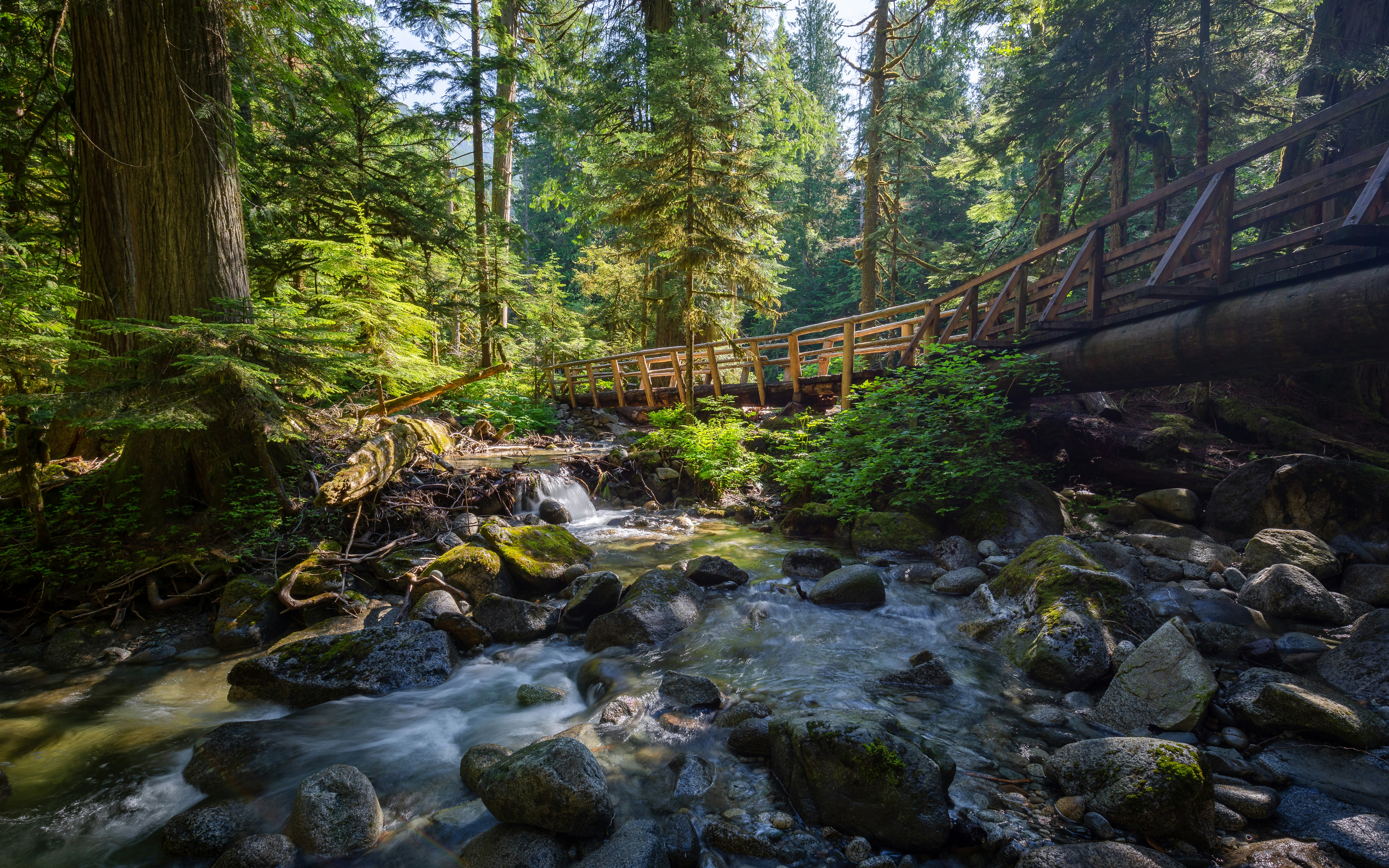
If you ask ten different Clark County residents why they live here, you'll get ten different answers, and that's kind of the point. There's no single script. Some people came for a job and stayed for the trails. Some came for the schools and stayed for the tax bill. Some came for a weekend visit and never quite left.
We work with buyers and sellers across this county every week, and the same handful of reasons keep surfacing. Some are obvious, some less so, and a few that come with real trade-offs worth knowing about before you commit.
No State Income Tax, and People Actually Feel It
Washington has no state income tax. It's a real number on a paycheck, and it's the single most common reason we hear from people relocating here, especially from Oregon or California. A household earning $120,000 a year can see a meaningfully different take-home amount simply by crossing the river.
It's not free, though. Washington leans harder on sales tax and property tax to make up the difference, and property assessments here move with the market year to year rather than under a capped growth formula. We tell every buyer this upfront: the income tax savings are real, but budget for a property tax bill that can shift with market conditions, not stay flat.
Space, Without Giving Up the City
Clark County's geography does something a lot of buyers don't expect: it lets you pick your own trade-off between space and proximity. A family that wants a larger lot, mature trees, and room to breathe can find it in Battle Ground, La Center, or Yacolt which is 20 minutes or less from denser, walkable pockets like downtown Vancouver or Camas.
That flexibility is unusual. In a lot of metro areas, "more space" means an hour-plus commute. Here, it usually means a shorter one, or none at all if you're working remotely which a large share of our clients are.
The Outdoor Access Is Not an Exaggeration
This is the one that's hardest to describe until someone has lived it. Klineline Pond and the Salmon Creek Greenway give Felida and Salmon Creek residents water and trail access minutes from home. Battle Ground Lake State Park draws people from across the county for swimming, camping, and hiking. The Ridgefield National Wildlife Refuge sits practically in Ridgefield's backyard. The Washougal Waterfront Trail runs right along the river.
None of this requires a road trip. It's Tuesday-after-work accessible, and for a lot of residents, especially ones moving from denser urban areas, that's the thing that actually changes how they live day to day, not just where they sleep.
Schools Drive a Lot of the "Staying" Part
People move to Clark County for a lot of reasons, but a good number of them stay specifically because of the schools once kids enter the picture. The Camas School District consistently draws families willing to pay a premium for it, and Lacamas Hills and Prune Hill home values reflect that demand directly. We've watched buyers stretch their budget specifically to land in a Camas attendance boundary, and when they go to sell years later, that same district reputation works in their favor.
It's worth being honest here: that premium is real, and it's not small. A comparable home a few miles away, outside the district, can carry a noticeably different price tag. Whether that trade-off is worth it depends entirely on what a family is optimizing for.
A Downtown That Actually Has a Pulse
Vancouver's downtown and Waterfront district have changed enough in the past few years that people who left a decade ago sometimes don't recognize it. Esther Short Park anchors a walkable core with restaurants, breweries, and events that didn't exist ten years ago. The Waterfront redevelopment added another layer entirely. Includes dining, green space, and river access that gave the city a genuine after-work and weekend draw instead of just a commuter core.
Fisher's Landing offers a quieter, more suburban version of that same convenience...walkable enough to matter, without downtown's density or price-per-square-foot.
It's Genuinely Easy to Get to Somewhere Else
Clark County's location means residents aren't choosing between "PNW nature access" and "urban amenities." Portland's job market, airport, and cultural institutions sit a short drive or bridge crossing away, while Clark County itself delivers the lake days, trail systems, and small-town main streets that a lot of people are actually trying to buy into.
That said, the bridge crossings are also the county's most honest complaint. Interstate Bridge traffic during peak commute hours is a real daily cost for anyone working across the river, and it's worth test-driving your actual commute time before assuming a Google Maps estimate holds up at 7:45 on a Tuesday.
So Why Do People Actually Stay?
Take away the tax math and the trail maps, and what we hear most often from long-time residents is simpler than any of it: the county is small enough to feel like a place, and close enough to everything else that it never feels like a compromise. People move here for one reason, a job, a school, a lower tax bill, a bigger yard and end up staying for a version of that reason they didn't expect: the lake five minutes away, the neighbor who waves, the downtown that has somewhere to walk to now.
If you're weighing a move to Clark County or trying to figure out which of its micro-markets actually fits how you want to live, that's exactly the kind of conversation we have every day.
Curious which Clark County neighborhood fits your life best? Let's talk about it. Contact us today →

What is My Home Value?
Know what your home is truly worth in today’s market based on most recent data
The Easiest Way to Sell Your Home
Sell your home as-is, in any condition quickly and easily. No showings, prep, or repairs necessary
Find Your Dream Home
Search all real estate listings in Southwest Washington & Portland Metro directly on the MLS

Free Real Estate Newsletter
Get our latest Q&A, insights, and market updates to make smarter decisions

Are you an agent in SW Washington & Portland Metro?
Join a network of top-performing agents in the region
Details Home Inspections
Voted one of the Top 5 Best Home Inspectors in Clark County, WA, by The Columbian in 2018, 2019, 2020, 2021, 2023, and 2024
Sponsored

Dustin Hutley
A dedicated mortgage professional who puts his clients first, making sure they feel valued throughout the homebuying journey
Sponsored

Jacqueline Smith
Team Owner | Evergreen Real Estate Partners | Keller Williams Realty
or another way
Verified by Primpted